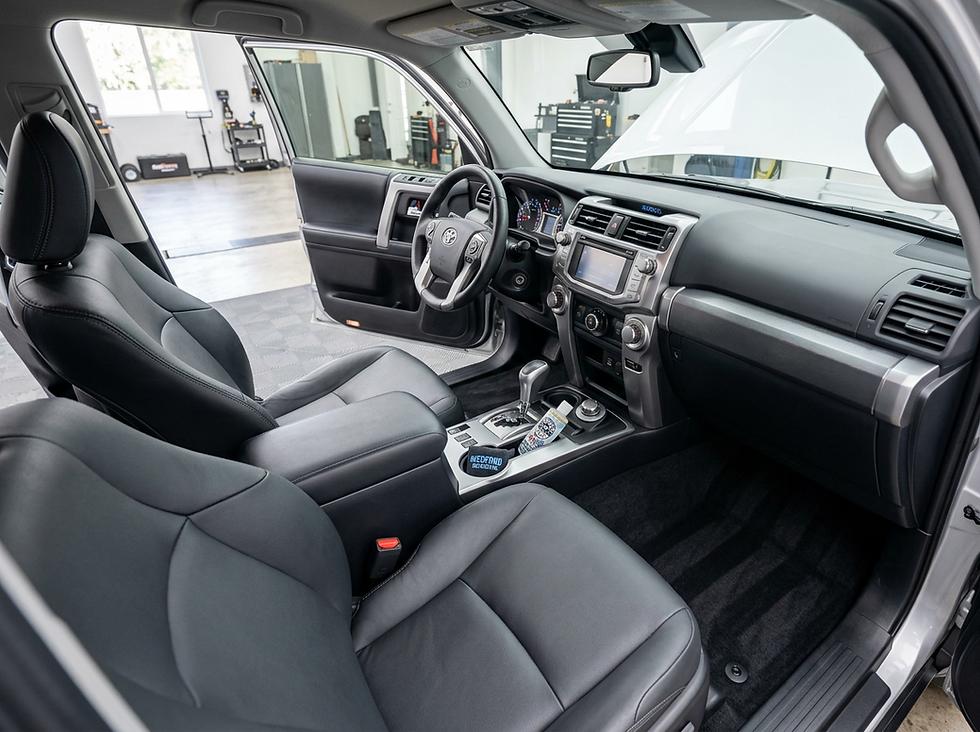
Why Interior Detailing Matters Just as Much This Time of Year

Why Interior Detailing Matters Just as Much This Time of Year The outside of a vehicle usually gets all the attention when the seasons change. Rain spots, road grime, salt, pollen, mud, and slush are easy to see. The interior tells a quieter story, but it often takes the harder hit.
This time of year, people track more into their vehicles. Shoes carry moisture, leaves, dirt, sand, and salt. Coats shed lint. Pets bring in damp fur. Snacks, coffee, and holiday errands add to the mess. If the cabin gets ignored, small problems can turn into stains, odors, worn surfaces, and a less comfortable ride.
Interior detailing is not only about making a vehicle look nice. It helps protect the materials you touch every day, from seats and carpets to steering wheels, screens, vents, and door panels. A clean cabin also makes driving feel better, especially when the weather outside is unpredictable.

Why Interior Detailing Matters Just as Much This Time of Year Seasonal mess builds up faster than most people notice
Interior mess does not always look serious at first. A few crumbs under the seat, a coffee splash near the cup holder, and some dust across the dashboard may seem harmless. The problem is that seasonal debris tends to stack up quickly.
During wetter or colder months, the interior often deals with:
Damp shoes and floor mats
Road salt or sand from sidewalks and parking lots
Mud from rain, snow, or yard work
Leaves and small twigs
Pet hair and moisture
Extra trash from travel, errands, or family events
In warmer seasonal shifts, the cabin may deal with pollen, dust, sunscreen, sweat, and food spills from road trips. Every season has its own way of getting inside the vehicle.
The challenge is that most of this mess settles into places that are not easy to clean during a quick wipe-down. Dirt collects along seat rails. Crumbs hide between cushions. Dust sits inside vents. Moisture sinks into carpet fibers. Once that happens, a quick vacuum may improve the surface, but it will not fully reset the cabin.
A proper interior detail targets the places where buildup lives. It removes loose debris, lifts grime from surfaces, cleans high-touch areas, and treats materials based on what they need. Cloth, leather, vinyl, plastic, carpet, and rubber all respond differently. Using the same cleaner everywhere can leave residue, dull finishes, or even damage delicate surfaces.
This is why interior detailing matters just as much this time of year as an exterior wash. The exterior protects the vehicle from the outside. The interior protects comfort, cleanliness, and everyday use.
Moisture is one of the biggest reasons to detail the cabin
Moisture is easy to underestimate. It enters the vehicle on shoes, umbrellas, coats, bags, sports gear, strollers, and pet paws. Once inside, it can sit in carpets and floor mats longer than expected, especially when temperatures drop or windows stay closed.
A damp cabin can lead to:
Musty smells
Foggy windows
Stained carpet
Salt rings on mats
Sticky residue on pedals and trim
Faster wear on fabric and leather
Moisture also makes dirt cling harder. Dry dirt can often be vacuumed away. Wet dirt turns into grime, then dries into the fibers. That is why floor areas often look dull and stained at this time of year.
A good interior detail helps by removing trapped debris, cleaning mats properly, and addressing stains before they settle deeper. Rubber mats can be scrubbed and rinsed. Carpeted mats may need vacuuming, extraction, or targeted stain treatment. The goal is not only to make them look cleaner, but to remove the grime that holds odor and moisture.
The same idea applies to seats. Damp clothing can transfer dirt, body oils, and dye onto upholstery. Leather and vinyl can dry out or become shiny from repeated contact. Fabric can trap odors. Cleaning these surfaces regularly helps preserve their feel and appearance.

For vehicles used every day, the driver’s side floor area usually needs the most attention. That spot takes constant pressure from shoes, salt, brake dust, wet gravel, and grit. If it is not cleaned, the fibers can flatten and hold stains more stubbornly over time.
A detail also gives the cabin a chance to dry out. That matters because odors usually come from what remains behind. Removing the source works better than covering it with air freshener.
High-touch surfaces need more than a quick wipe
Think about how many parts of a vehicle interior get touched during a normal drive. The steering wheel, shifter, seat belt buckle, door handle, armrest, buttons, touchscreen, turn signal, mirror controls, cup holders, and climate controls all see daily contact.
These areas collect more than visible dirt. They pick up skin oils, lotion, food residue, dust, and grime from hands. Over time, that buildup can leave surfaces feeling sticky or slick. It can also make buttons and trim look worn before they really are.
The steering wheel is a good example. Many steering wheels develop a shiny finish after repeated contact. That shine is often not “clean leather” or “clean vinyl.” It is buildup. Cleaning it with the right product can bring back a more natural feel without making the surface slippery.
Cup holders are another common trouble spot. They catch coffee drips, soda spills, straw wrappers, coins, crumbs, and dust. If liquid dries in the bottom, it can turn sticky and attract even more debris. A detailer will usually remove inserts when possible, clean the edges, and get into the corners that a napkin cannot reach.
Vents also deserve attention. Dust inside vents can blow back through the cabin whenever the heat or air conditioning runs. During seasonal changes, when defrosters and heaters get used more often, clean vents make the cabin feel fresher.
A careful interior detail may include:
Vacuuming seats, carpets, mats, and tight gaps
Brushing seams, vents, and textured panels
Cleaning cup holders and storage pockets
Wiping door jambs and thresholds
Cleaning glass inside and out
Treating leather or vinyl when needed
Removing light stains from fabric and carpet
Cleaning screens and controls safely
The best detailing work is often noticed by feel before sight. The steering wheel feels clean. The seats feel fresh. The glass looks clearer at night. The whole cabin feels less heavy.
That matters this time of year because people often spend more time inside the vehicle. Bad weather increases traffic. Shorter days mean more driving in low light. Holiday travel, school activities, shopping trips, and family visits can all add miles. A clean interior makes those drives more comfortable.
A clean interior helps protect the value of the vehicle
Interior condition plays a major role in how a vehicle feels as it ages. Paint gets attention, but a worn cabin can make even a well-maintained vehicle feel neglected.
Stains, odors, ground-in dirt, and cracked surfaces can lower appeal when it is time to sell, trade, or simply keep enjoying the vehicle. Clean upholstery, clear glass, fresh carpets, and cared-for trim make a strong difference.
This does not mean the interior must look perfect every day. Vehicles are meant to be used. Kids, pets, work gear, sports equipment, groceries, and travel all create normal wear. The key is to avoid letting dirt become permanent.
Interior detailing works best as maintenance, not rescue work. A badly stained seat or sour-smelling carpet is harder to restore than a cabin that gets cleaned on a regular schedule. The longer spills sit, the deeper they can soak. The longer dirt gets ground into carpets, the harder it is to lift. The longer leather and vinyl go without proper cleaning, the more tired they can look.

Protecting the interior also supports safety in simple ways.
Clean interior glass helps reduce glare, especially during night driving or low-angle sun. Dusty windshields can scatter light and make visibility worse. Clean pedals reduce slippery residue. Clear floors keep loose bottles, wrappers, or objects from rolling near the driver’s feet.
Good detailing also avoids overdoing shine. A glossy dashboard may look polished, but glare on the windshield can be distracting. Quality interior care leaves most surfaces clean and natural, not greasy.
This time of year is a smart reset point
Every vehicle needs a reset now and then. Seasonal change is one of the best times to do it.
Before wet, cold, dusty, or busy travel periods, an interior detail prepares the cabin for heavier use. After those periods, it removes what the season left behind. Either way, it helps keep the mess from becoming part of the vehicle.
A seasonal interior detail is especially helpful if the vehicle has:
Light-colored seats or carpets
Cloth upholstery that holds odors
Leather seats exposed to heat, cold, or dry air
Kids riding regularly
Pets riding often
A daily commute
Frequent drive-thru spills or snack crumbs
Work gear, tools, or outdoor equipment inside
A musty smell after rain or snow
Foggy interior glass
The timing does not need to be complicated. Many drivers benefit from a deeper interior cleaning a few times a year, with quick upkeep between appointments. For some vehicles, especially family cars or work vehicles, more frequent cleaning makes sense.
Between details, small habits help keep the cabin under control:
Shake out floor mats once a week
Remove trash every time fuel is added
Keep a small microfiber towel in the glove box
Wipe spills as soon as they happen
Avoid letting wet items sit in the cabin overnight
Vacuum high-traffic areas before dirt gets packed in
Use all-weather mats during messy seasons
These habits are simple, but they make professional detailing more effective. When the cabin is not overloaded with buildup, a detail can focus more on deep cleaning and surface care.

Interior detailing is also a good moment to check what the cabin needs. Floor mats may be worn. Seat covers may need washing. A trunk liner may need cleaning. Door pockets may be full of forgotten items. The process can reveal small problems before they become frustrating.
The cabin deserves the same care as the exterior
Exterior cleaning protects paint, wheels, glass, and trim from the elements. Interior detailing protects the space where every drive actually happens.
A clean cabin does more than look good. It helps control odors, reduces wear, improves comfort, and keeps high-touch surfaces pleasant to use. It also makes seasonal mess easier to manage, whether the problem is mud, salt, pollen, dust, pet hair, or spilled coffee.
This time of year, the interior works hard. It handles wet shoes, extra layers, busy schedules, changing weather, and more time on the road. Giving it proper attention now keeps the vehicle feeling cared for, inside and out.
The next time the exterior looks ready for a wash, take a closer look at the seats, mats, vents, glass, and cup holders. The outside may be what people see first, but the interior is where the vehicle is lived in every day. That space deserves regular care too.